
Top 5 Common Issues When Hiring a Crane Service
Project managers must understand common issues that can derail a crane rental in Boston before signing a rental agreement. This guide explains each issue, its risks, and how to avoid them. You’ll learn about rental mistakes causing delays and costs, how to vet crane services, site planning and permits, pricing breakdowns, and managing on-site risks.
This article offers practical advice, from matching crane types like 30-ton boom trucks and 50-ton cranes and their load charts to verifying operator certifications and understanding ground bearing pressure, ensuring your project stays on schedule and safe..
Avoiding Crane Rental Mistakes

Choosing the wrong crane, skipping site assessment, underestimating mobilization, accepting unverified operators, and signing contracts with hidden fees are common mistakes leading to costly delays. Each impacts safety, schedule, or cost.
Simple mitigations include confirming load charts, ordering geotechnical checks, and requesting itemized quotes. A short checklist before signing and verification steps on mobilization day can prevent these issues.
The top five crane rental mistakes and quick corrective actions:
- Wrong crane type or insufficient capacity: Confirm load chart and radius before booking.
- Inadequate site assessment: Order a site visit to check the ground, access, and overheads.
- Logistics and mobilization underplanned: Verify road access, permits, and staging needs.
- Unverified operator qualifications: Ask for operator credentials and recent references.
- Hidden fees and vague contract terms: Request an itemized rental agreement and clarify overtime or demurrage triggers.
Wrong Crane Type Causes Delays
Choosing the wrong crane type often stems from underestimating weight, reach, or site constraints, leading to re-renting or repositioning. For instance, selecting a 30-ton boom truck when a 50-ton crane is required for a heavier lift, or vice versa for a lighter, more agile job, can cause immediate delays.
An insufficient crane, like a 30-ton boom truck pushed beyond its limits, will hit load-chart limits, causing immediate delays. Mitigate this by requesting the actual load chart for your planned radius, specifying lift weight, and having the provider confirm the suitable crane model in writing.
Risks of Inadequate Site Assessment
Poor site assessment leaves ground bearing pressure, access, and overhead hazards unaddressed, risking outrigger failure, grounding, or collisions. Soil type dictates the need for mats or engineered reinforcement; ignoring this can lead to unsafe lifts or costly downtime. Document ground conditions, measure route clearances, and identify overhead obstacles.
For uncertainty, commission a geotechnical recommendation or ask the rigging engineer for stabilization requirements before mobilization.
Choosing the Right Crane Service Company
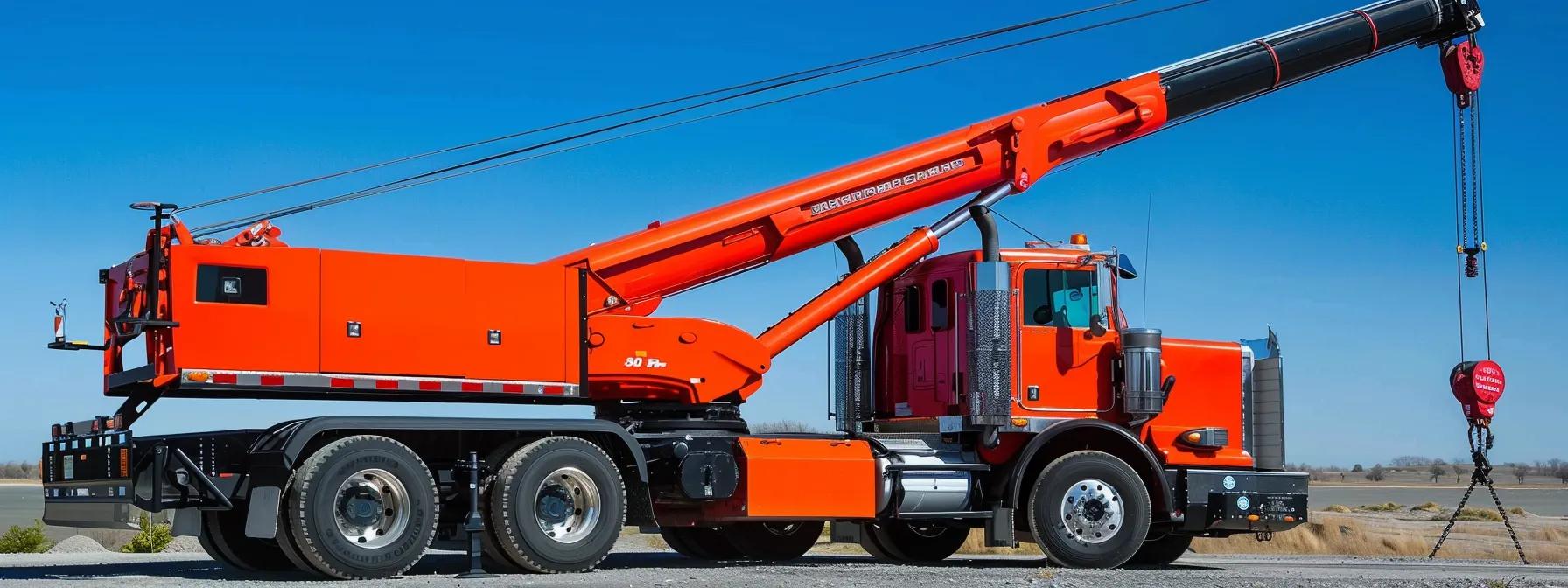
Selecting a crane service involves verifying operator certifications, inspecting safety programs and maintenance records, and reviewing references. Key evidence includes operator credentials, maintenance logs, insurance certificates, and a written safety plan.
Project managers should request specific documentation and ask targeted questions about past lifts, equipment age, and lift planning processes. Below is a checklist for vetting providers.
| Vetting Criterion | What to Check | Expected Evidence |
|---|---|---|
| Operator certification | Verify the credential issuer and currency | NCCCO or equivalent certification numbers and operator ID |
| Equipment maintenance | Confirm recent inspections and service | Maintenance logs, inspection stickers, and last-load-test records |
| Insurance & compliance | Check liability and worker coverage | Certificate of Insurance and coverage limits |
| Safety program | Ask for the safety policy and incident history | Written safety plan, toolbox talk records, and reference list |
| Experience with similar lifts | Review past project types and photos | Project references, photos, and lift plans from similar jobs |
Note any red flags like missing certificates or vague answers. Verifying NCCCO certifications and safety programs reduces liability. After vetting, prepare the site and secure necessary permits.
Certified Crane Operator Requirements
Certified crane operators need recognized credentials (e.g., NCCCO), recent experience in the specific crane class, and ongoing training records. Certification ensures baseline competency; documented experience confirms similar lifts. Ask for certification ID, training logs, and references for comparable jobs. This reduces operator error and ensures the rigging crew understands the lift plan.
Verifying Crane Company Safety and Compliance
Request the company’s written safety program, OSHA-reportable incident history, and recent third-party audits. Call references, check for safety certifications, and ask for a sample lift plan. Refusal to share incident history or vague training responses are red flags. Proper verification protects homeowners and ensures predictable, documented procedures.
Essential Site Planning and Preparation
Effective site planning addresses ground stabilization, access, overhead hazards, traffic control, and neighbor coordination to minimize surprises. Start with a documented site assessment of soil conditions, access routes, and overhead obstructions, and integrate the engineer’s recommendations for mats or pads.
Preparation includes obtaining permits, scheduling traffic control, and notifying utilities. The next section details ground-bearing and overhead hazards.
Key pre-lift site-preparation steps:
- Assess ground bearing pressure and plan stabilization with mats or crane pads.
- Confirm access and staging for mobilization routes and truck turning radii.
- Identify overhead hazards and coordinate with utilities for safe clearance.
- Plan traffic and neighbor communication to minimize disruption during mobilization.
Ground Conditions and Crane Stability
Ground conditions dictate outrigger performance and load distribution. Soft soils can cause differential settlement, which can lead to tipping. Engineers often recommend crane mats or engineered supports to distribute loads.
For residential sites, a pocket penetrometer or brief geotechnical note can identify stabilization needs; larger lifts require formal reports. Implementing recommended mats ensures a safe setup and avoids costly on-site modifications.
Common Overhead Hazards
Overhead hazards include power lines, trees, building facades, and signage that intersect the crane’s swing path. Maintain safe clearance, coordinate with utilities for de-energization, and use a qualified spotter. A documented overhead sweep plan marking minimum clearance and exclusion zones ensures crew awareness. Proactive utility coordination prevents last-minute stoppages and improves safety.
Permits, Regulations, and Insurance for Crane Services
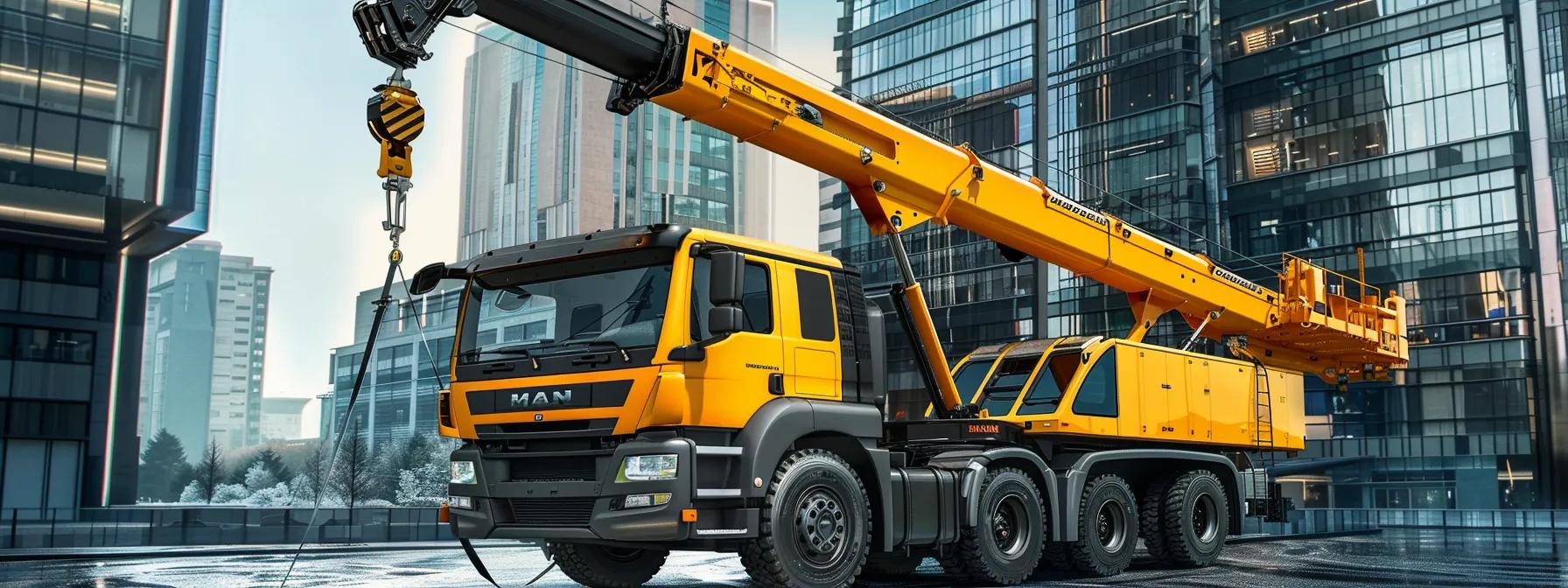
Crane operations often require street closure, right-of-way, special lift, and local building permits. Insurance typically includes general liability and workers’ compensation; homeowners should request a certificate of insurance verifying coverage. Local permit timelines vary, so early engagement prevents delays. The next subsection explains how local processes affect your schedule and required insurance documentation.
Typical permit and insurance actions before booking:
- Contact the local permit office to confirm street, lane, or aerial lift requirements.
- Request a certificate of insurance from the crane company and review the limits.
- Plan permit lead times into your mobilization schedule to avoid demobilization fees.
Local Permit Processes and Crane Operations
Local permit processes impose lead times, documentation, and conditions like traffic-control plans, directly affecting mobilization dates and costs. Early engagement with the permit office and submission of required documents (site plans, traffic-control diagrams, and insurance proof) helps align crane mobilization with city inspector availability.
Factor typical review times into schedules to avoid demobilization or waiting periods that increase costs. Coordinate early with your crane provider and local authority.
Importance of Insurance and Liability Coverage
Insurance and liability coverage protect homeowners and contractors from financial exposure due to property damage, bodily injury, or third-party claims. Inadequate coverage leaves property owners vulnerable. Request a certificate of insurance listing the homeowner as an additional insured. Confirm minimum general liability limits, workers’ compensation, and inquire about umbrella policies. Verifying these in writing significantly reduces project risk.
Crane Rental Costs and Avoiding Hidden Fees

Crane rental costs depend on the specific crane type, lift complexity, duration, mobilization, labor, permits, traffic control, and special equipment. Understanding these components allows you to request an itemized quote and negotiate or avoid add-ons like overtime, demurrage, fuel surcharges, and permit pass-throughs.
Ask for a clear breakdown of charges and site readiness assumptions to prevent invoice surprises. The table below summarizes common cost components.
| Cost Component | What It Covers | Typical Impact on Price |
|---|---|---|
| Crane base rental | Equipment hourly/daily rate | High — depends on crane class |
| Mobilization/demobilization | Transport, escorts, and rigging for the move | Medium — can be high for long distances or complex routes |
| Operator and rigging labor | Certified operator and ground crew hours | Medium — overtime and extra rigs increase cost |
| Permits & traffic control | Municipal permits, lane closures | Low–Medium — varies by locality and scope |
| Mats, pads, or engineering | Ground stabilization materials and design | Medium — necessary for soft ground or large outriggers |
After reviewing cost drivers, request an itemized quote and clarify who handles permits, site prep, and scheduling to negotiate or prepare these items in advance, preventing unexpected charges.
Crane Type, Duration, and Logistics Influence Pricing
The specific crane class and configuration, such as a 30-ton boom truck or a 50-ton crane, set the base rental rate; larger, more specialized cranes cost more. Rental duration amplifies base costs, with longer projects potentially yielding better daily rates but increasing total labor. Logistics like difficult mobilization routes or restricted access add fees. Request itemized, scenario-based quotes to clarify how time and logistics translate to costs.
Contract Clauses to Prevent Unexpected Charges
Review clauses on permit and site prep responsibilities, including operator hours vs. overtime, demurrage, damage liability, and cancellation fees. Ensure the contract specifies who pays for traffic control, permits, utility coordination, and engineering. Define overtime and demurrage triggers in clear hourly terms and specify cancellation notice periods. A well-drafted agreement reduces disputes and protects homeowners.
Managing Risks and Preparing for Emergencies

Risk management and emergency preparedness involve accident prevention, documented response steps, and clear communication, including a designated lift director. Prevention starts with a written lift plan, daily pre-lift inspections, and competent riggers.
Emergency planning includes an on-site contact list, nearest medical facility info, and predefined actions for power-line contact, crane overturn, or load drops. Pre-job briefings and stop-work authority foster a safety culture.
The following checklist outlines key risk-management actions before the crane arrives:
- Develop a written lift plan including load charts, rigging specs, and contingency steps.
- Hold a pre-lift meeting that confirms roles, hand signals, and emergency shutdown procedures.
- Perform daily equipment inspections and document findings before any lift operation.
- Designate a lift director and a single point of contact for homeowner coordination.
Effective Accident Prevention Strategies
Accident prevention combines documented procedures with consistent execution: pre-lift meetings, daily checklists, certified riggers, and a competent lift director. Regular inspections of equipment ensure performance within limits. Instituting stop-work authority and routine toolbox talks keeps attention on risks like weather or ground changes. These measures help teams catch hazards early and maintain a predictable, auditable process.
Establishing Communication Protocols
Establish communication protocols by designating a lift director and agreeing on standardized hand signals, radio procedures, and escalation steps before mobilization. Document contact lists, primary/backup radios, and emergency notification sequences. Practice signals in pre-lift meetings and confirm that all crew understand escalation paths. Consistent, rehearsed communication reduces errors and ensures quick, coordinated action during incidents.
Partner with MacDonald Crane for Safe, Smooth, and Stress-Free Lifting

Understanding the most common issues in crane hiring, such as selecting the wrong crane type, missed site assessments, hidden fees, and unverified operators, helps you avoid delays, safety risks, and surprise costs. With proper planning and thorough vetting, homeowners and project managers can keep their projects on schedule and prevent costly setbacks.
Strong safety programs, verified certifications, and clear communication are essential for predictable, hazard-free crane operations. By preparing the site, confirming permits, and reviewing contracts before mobilization, you reduce risks and set up your team for a safe, efficient lift from start to finish.
When you want reliable service, certified operators, and transparent pricing, choose MacDonald Crane. Their experience, safety-first approach, and clear communication make them the trusted partner for residential, commercial, and industrial crane projects across Boston.